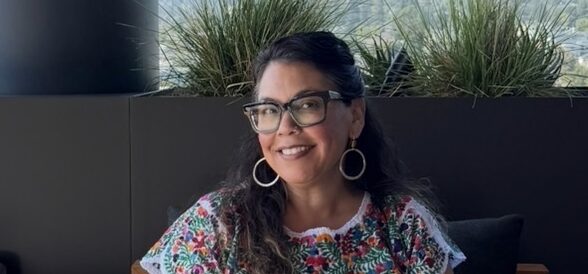

By Melanie Slone

San Diego County is looking for ways to build housing for teachers so they can live in the communities where they work.
Teachers used to “live in your community, and the truth is that is increasingly not a reality for a lot of students just because of the nature of the cost of housing. A lot of our staff have to live farther and farther from the communities they serve,” says Cody Petterson, a trustee with San Diego Unified School District Board.
When a teacher lives in the same community as students and faces a challenge with one of them, “they know the family. They live in the same community, know what their values are, their priorities are.”
Studies have identified 75,000 acres of potentially developable school board property in the 1000+ school districts across California, with the potential for 2.1 million units of education workforce housing, says Patterson.
San Diego Unified School District came up with a plan to provide housing for teachers on school land at four sites. It means land for developers, rent money for the district, and affordable homes for school employees, says Patterson.
“We don’t use any additional public funds,” he adds. “We don’t lose the land. It’s a 99-year ground lease. We can hold on to the land and internalize the benefit for our workers.”
Both low- and medium-income housing is to be provided for custodial and teaching staff. “We’re very excited,” he says. “We think it’s a model that will work throughout the state.”
“[School sites] are public goods,” he explains. “If you build education workforce housing or with a joint occupancy, you have market-rate housing that can be ongoing revenue for the district, for the general fund forever.”
He notes there is no need for additional bond funds. “All you need is an underutilized property and a conversation with the board and the community about what you want to do with that site.”
North County School Districts
There has been some talk of implementing the strategy in the North County. “There’s really no district that can’t do this: San Marcos, Fallbrook, Poway, San Dieguito, Oceanside, Solana Beach,” says Patterson. “We’re using no taxpayer dollars. We’re not losing public property. We’re not supplanting the private sector. Nonprofit of for-profit housing developers can put a bid in.”
Patterson notes he is willing to have some initial conversations with school districts here. “We could even bring them to our headquarters and have a couple of dozen school board members from throughout the region,” he says.
“We want to attract young families…Not only do we get our teachers and other staff living near the community they serve but we’re bringing more students into our base and addressing the constant secular decline in enrollment we’re facing due to demographics and the cost of housing,” he adds.
“I think it’s super exciting to get teachers and other education staff back into the communities they serve,” says Cody Patterson.