
You Can Get and Use Your Coverage to Stay Healthy while Celebrating Your Traditions
By Beatriz Palmer
November means a time to vote, a time to enroll in Covered California, and a time to gather around the table to celebrate comunidad and gratitude. For many families, it also means possible changes to health insurance and its costs. That makes November more than the beginning of the holiday season. It is a chance to prepare and reflect on how we care for one another, because love for our familias and our comunidad must start with our own self-love and our own health.
On November 1, Covered California opens enrollment for 2027. If you purchase insurance through this state marketplace or need coverage for the first time, now is the time to ask questions and compare options.
Covered California helps eligible Californians compare health plans and financial assistance. It differs from Medi-Cal, California’s public health coverage program, and Medicare, the federal program primarily for older adults and some people with disabilities. A Covered California application can also identify potential Medi-Cal eligibility, among other benefits. Each program has different enrollment rules.
In 2026, more than 1.9 million Californians selected or renewed coverage through Covered California. Yet new enrollment among Latinos fell 39% compared with the previous year. As families face higher costs, we must ask who is getting covered, who is being left behind, and what might close that gap. For 2027, premiums and financial assistance may change, but our need to take care of our health doesn’t. Even if you have a plan, review your renewal notice rather than assuming your costs or coverage will stay the same. Don’t let your coverage lapse. Check your mail, and if you need help, ask someone. Your local health centers like TrueCare, Vista Community Clinic (VCC), and the County Health and Human Services are ready to help you. As our grandparents say, the squeaky wheel gets the grease.
In 2025, California’s federally qualified health centers (FQHCs) served approximately 5.9 million patients; among those whose ethnicity was known, about 64% were Latino. FQHCs serve people with and without insurance, connecting patients to preventive care and community resources. For many familias, someone who can explain a form in Spanish or help schedule an appointment makes the difference between seeking care and going without. Some also offer free transportation to and from your appointment and affordable prescriptions.
Using Your Insurance Benefits

Obtaining an insurance card is only the beginning. What happens after coverage starts? Does a patient know how to find a doctor, request an interpreter, or schedule a screening? Many plans cover preventive care such as checkups, mammograms, pap smears, and colorectal cancer screenings, often without additional charges when eligibility and network requirements are met. Some plans offer health rewards for certain screenings. The details vary, which is why knowing your benefits matters as much as having them.
Consider transportation, a benefit some people never realize they have. Medi-Cal managed care plans, including Blue Shield of California Promise Health Plan in San Diego County, offer rides to covered medical appointments for eligible members. Some plans also provide care management, behavioral health services (aka therapy), and additional support for specific health-related social needs. Yet a ride is not helpful if an older adult does not know whom to call, cannot navigate an automated phone menu, or cannot easily use an online portal. Language, technology, time, and transportation can become barriers all at once.
These overlapping circumstances are what public health calls the social determinants of health: the conditions in which we are born, grow, work, live, and age. A person may have insurance but struggle to afford nutritious groceries, take time off work, or reach a clinic. Health organizations increasingly speak of a whole-person approach because blood pressure, diabetes, emotional well-being, income, and social connection do not exist in separate compartments of our lives. Access to care requires more than coverage; it requires care that people can actually use.
Older Adults and Health Needs
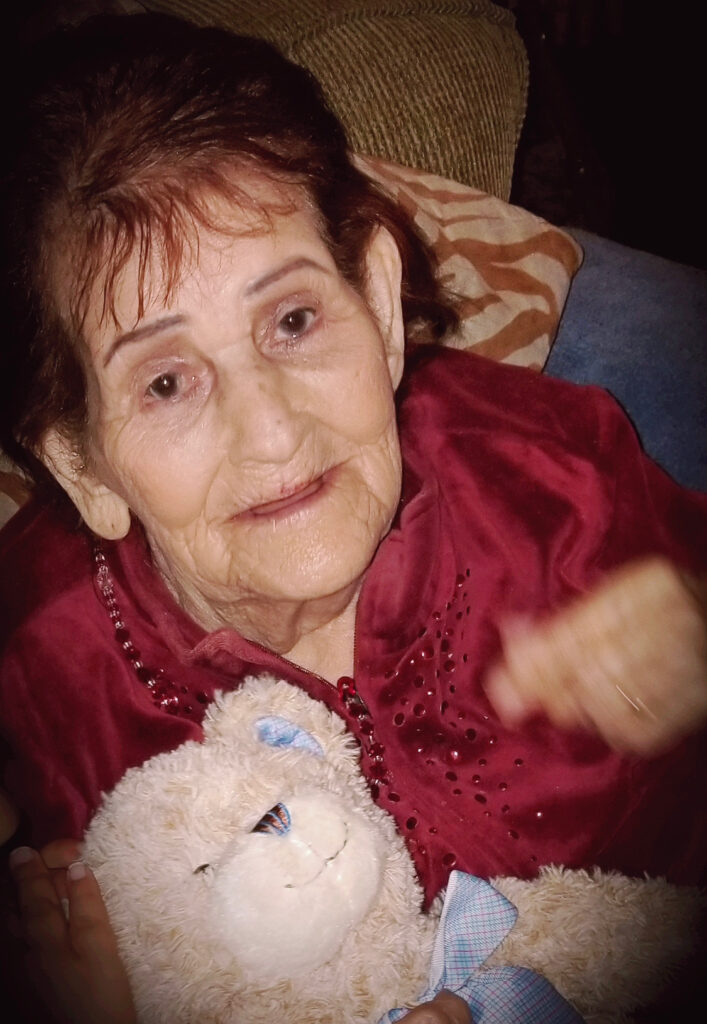
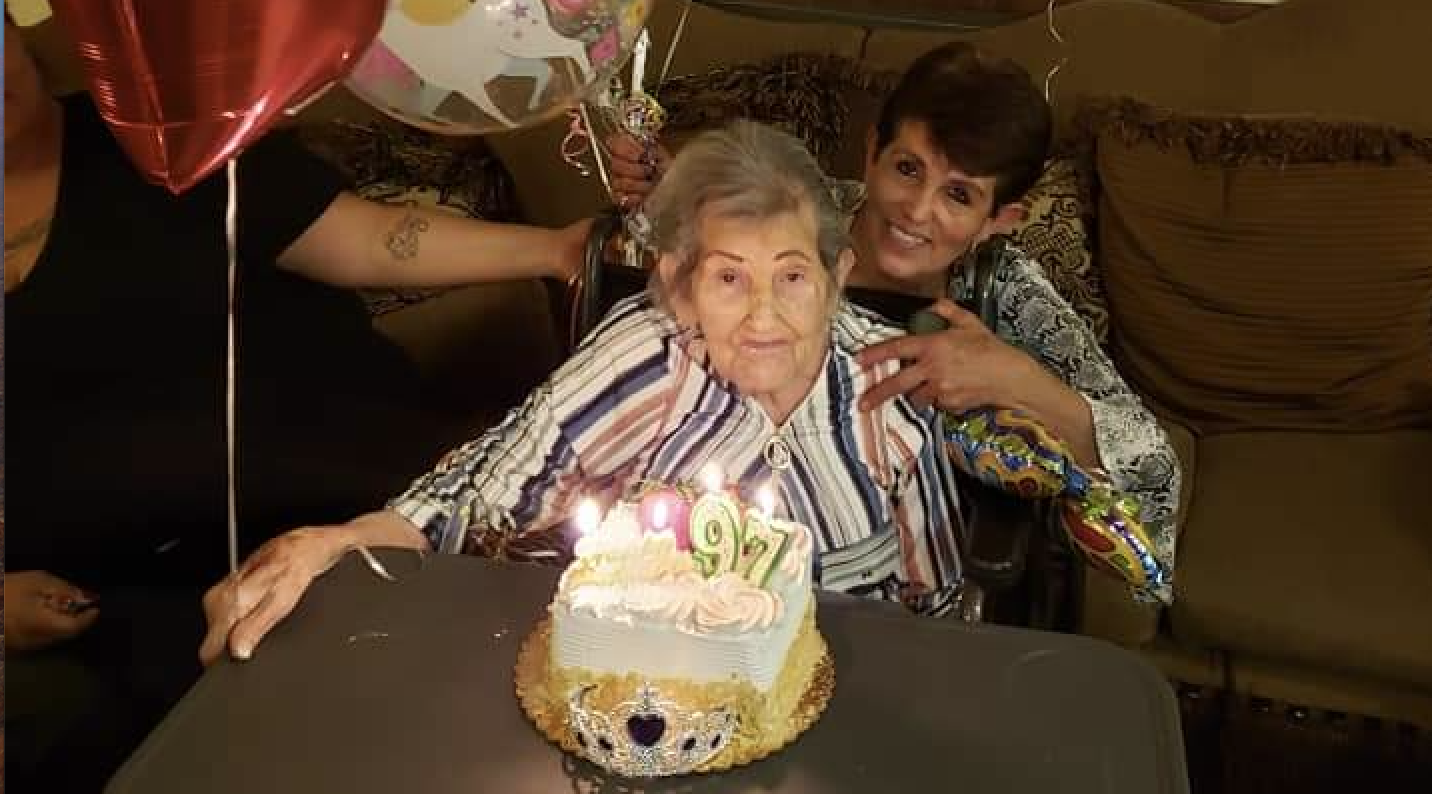
Our elders, many of our tías, tíos, abuelas, and abuelos, spent years placing the needs of others before their own. In the golden years, some face fixed incomes, limited mobility, changing health needs, or the loss of familiar companionship. Isolation and depression can affect well-being, yet seeking behavioral health support may feel unfamiliar to someone raised to keep personal struggles within the family. Whole-person care must make space for emotional health, dignity, and belonging—not only prescriptions.
And then come the holidays. Our Santa’s recetas and their aromas fill the kitchen: tamales being prepared around the table, steaming champurrado, pozole, menudo, fragrant ponche, and pan dulce shared with all who visit. These foods are not simply items on a plate. They are family histories. They carry the hands and stories of those who taught us to cook, the conversations that unfold as we gather, and a sense of home that travels across generations and countries. Our elders have kept those traditions alive, often through love expressed in the language of food.
For someone managing diabetes or high blood pressure, a recommendation to change eating habits may sound like being asked to set aside part of that history. But caring for our health does not require us to abandon our cultura. Maybe we try a little less added sugar in the champurrado, reduce salt in a familiar recipe, serve vegetables alongside the tamales, or enjoy a smaller portion of a favorite capirotada. We can ask our care team how to adapt recipes to our unique health needs. The point is not to police anyone’s plate. It is to keep our traditions at the table while making room for practices that help us stay well.
Culture and Health
Many of us have heard the phrase “You are the medicine,” often associated with the Mazatec healer María Sabina. Our maestros also remind us, “Food cures and culture cures.” I hear in those words the nourishment of memory, identity, and comunidad. Our remedios caseros, hierbitas, rezos, sobadas, and inherited wisdom all deserve respectful conversations with health professionals, alongside evidence-based treatment and attention to possible interactions. Culture offers belonging and care; medical guidance helps us make informed choices. They need not be in competition. Ancestral ways and Western medicine can coincide with regular checkups.
Perhaps this year we can begin a new holiday tradition—a conversation about prevention offered with the same tenderness as a favorite dish. Ask an elder whether they have scheduled their next cita médica, need help reviewing a medication, or would like company at an appointment. Share information about transportation, screenings, and counseling. And listen. We cannot assume missed visits mean someone does not care about their health. Sometimes they need a clearer explanation, a ride, more affordable options, or someone willing to sit beside them while they make a call.
This November, vote if you are eligible, and use your voice to stay informed about the decisions that shape our communities. If Covered California is how you obtain health insurance, enroll or review and renew your coverage. Open enrollment runs November 1, 2026, through January 31, 2027; enroll by December 31 for coverage beginning January 1. If you have Medicare, review your plan during its October 15–December 7 enrollment period. Medi-Cal applications are accepted year-round. Covered California offers free enrollment assistance in multiple languages online, by phone, and in person.
And once you have coverage, use it. Make those citas. Ask what preventive care is recommended for you and which services your plan provides. Invite your elders into these conversations without judgment. We can honor the recipes, wisdom, and ways of being passed down to us while choosing healthier paths for the generations still to come. Loving our origins and loving our future are not separate acts.
Taking care of our health and practicing prevention is also a form of love.