
By Beatriz Palmer
In 1926, Carter Godwin Woodson, a journalist who founded the Association for the Study of African American Life and History (ASALH) and The Journal of Negro History, launched “Negro History Week.” What started as a week is now a month, having evolved into Black History Month.
During February’s Black History Month, we are invited to reflect on and honor the profound contributions of the Black/African American community to the United States. From health care and education to culture, activism, and literature, Black leaders and everyday changemakers have shaped this nation in both visible and often unseen ways. February is not just about remembering history but about recognizing how courage, access, and care continue to shape our collective well-being.
It is also important to acknowledge the diversity within Black identity. In the United States, an estimated six million adults identify as Afro-Latino, living at the intersection of Black and Latino histories and cultures. As the mother of an Afro-Mexicano son, I have learned how deeply representation, belonging, and culturally responsive care matter—especially in moments of vulnerability.
Long before modern hospitals and health systems, Black nurses were already shaping care in this country. Mary Eliza Mahoney, recognized as the first African American licensed nurse in the United States, opened doors through perseverance and quiet leadership. Her legacy lives on in the many nurses who continue to show up for patients with skill, empathy, and respect.
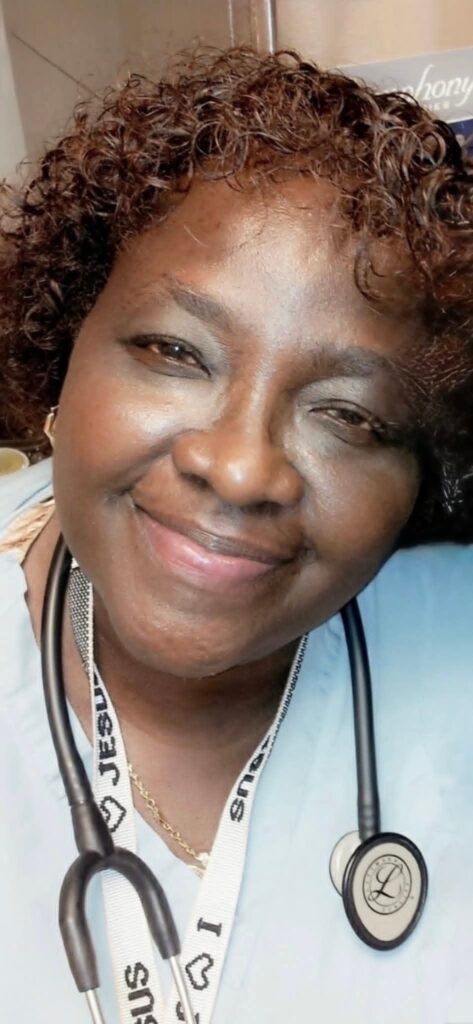
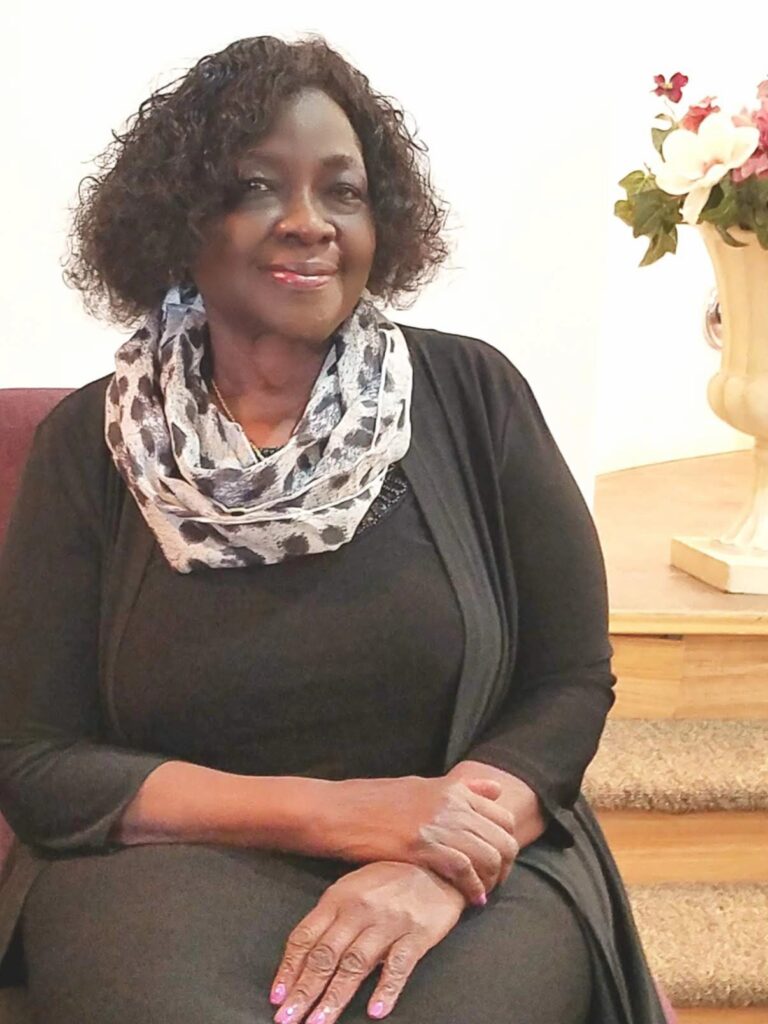
It is within this legacy that I think of nurses whose compassion stays with you long after you leave the hospital. For me, that nurse was Florencia Beatrice “Bea” Jones, a beloved North County resident who dedicated her career to supporting women giving birth at Tri-City Hospital.
In 1993, I found myself in the labor and delivery room without my husband, who had been deployed to Somalia on a humanitarian mission while serving in the United States Marine Corps. I was young, scared, and feeling very much alone. Florencia met me right where I was—with warmth, patience, and cultural understanding. She comforted me and helped me care for my newborn son. When I asked questions that came from not knowing, she never judged me. She simply cared. I thought of her often and wondered if life would give me the opportunity to thank her, but years passed, and I eventually gave up on that hope.
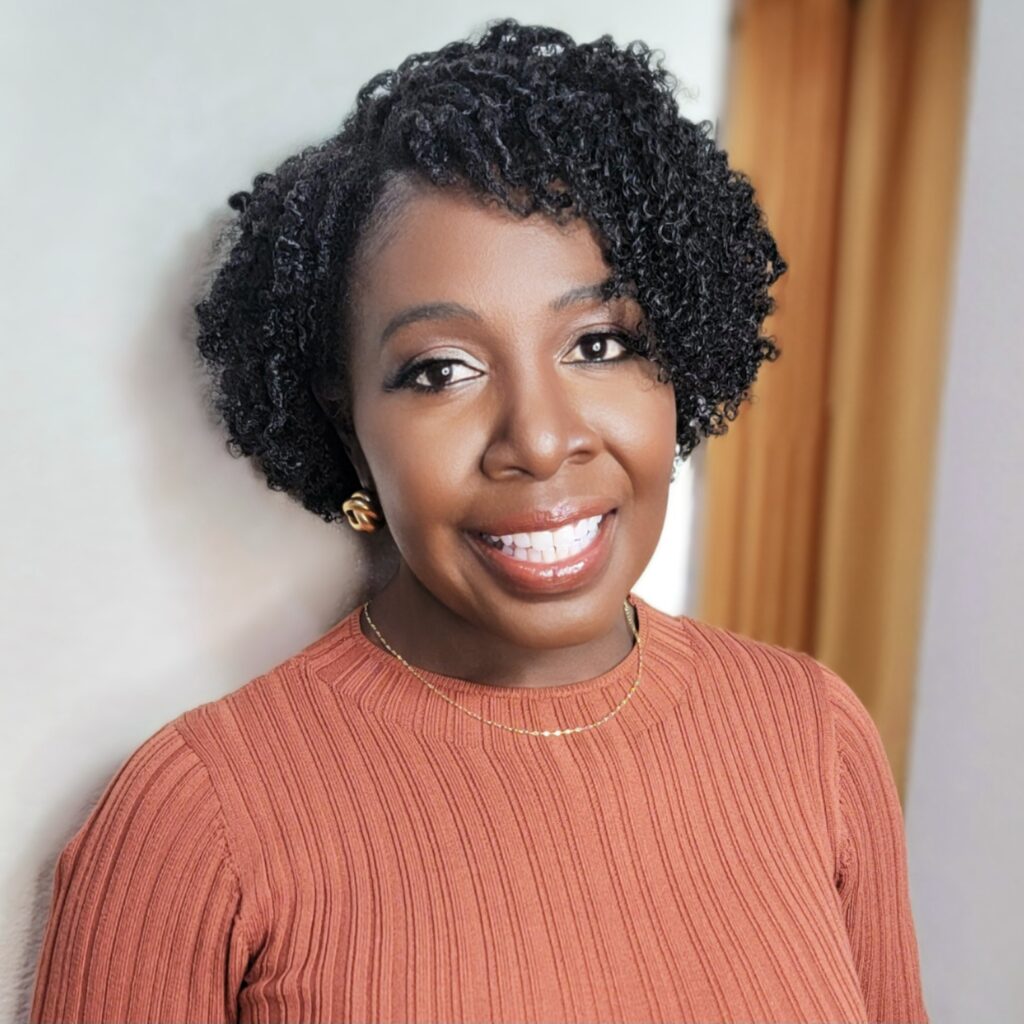
Nearly 30 years later, I was invited to be a guest speaker at a women’s event hosted by Elaine Swann, an extraordinary woman of Panamanian heritage. Elaine is a nationally recognized etiquette expert, author, and speaker, and the founder of The Swann School of Protocol. Her newest release, Elaine Swann’s Book of Modern Etiquette, reframes etiquette as a practice rooted in respect, awareness, and how we show up for one another.
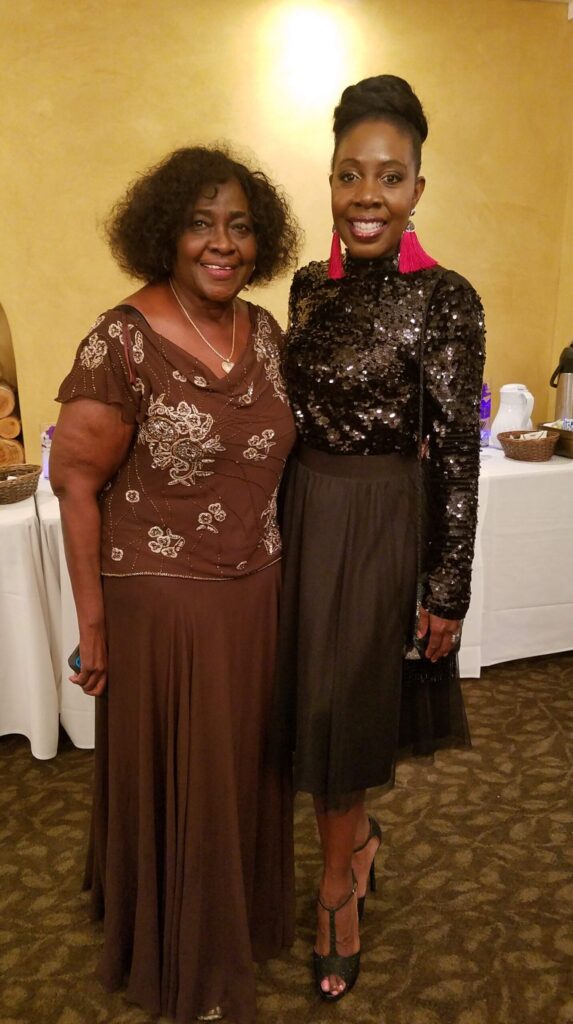
Florencia Beatrice “Bea” Jones was Elaine’s beloved aunt. De tal palo, tal astilla—in other words, the apple doesn’t fall far from the tree—aunt and niece, two women whose lives and careers were centered in care and belonging. Ms. Beatrice passed away on December 27, surrounded by her family and her beloved niece, Ms. Elaine Swann, with whom she was very close.
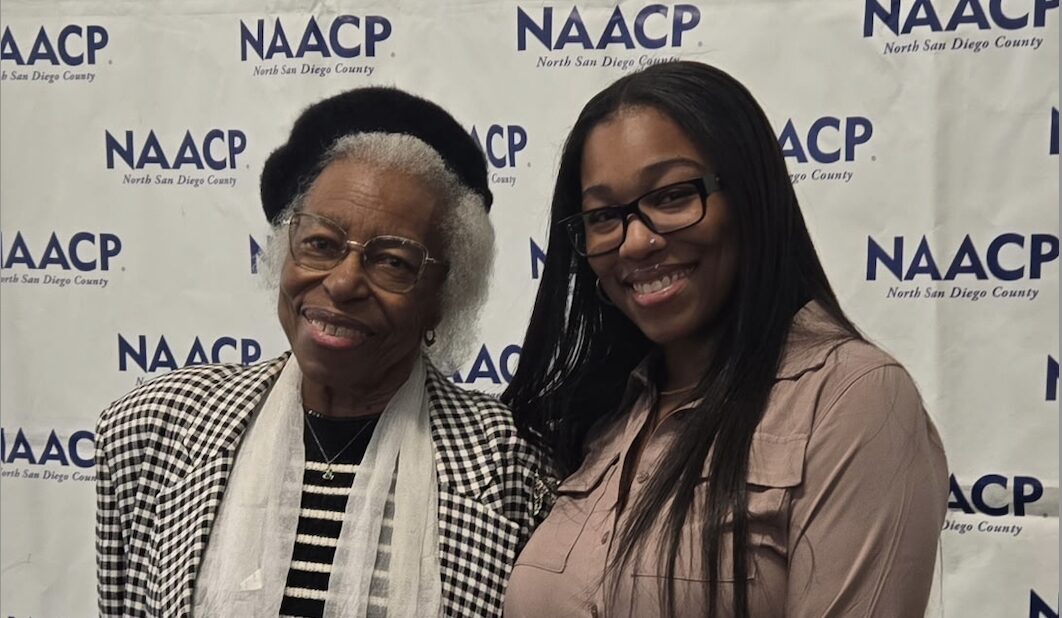
Black History Month also calls us to honor those who fought for access to resources and learning we often take for granted—like entering a public library. I had the honor of meeting Dr. Geraldine Edwards Hollis, a member of the Tougaloo Nine, at the annual Dr. Martin Luther King Jr. Community Breakfast, hosted in collaboration with the North San Diego County NAACP and the City of Oceanside. Each year, more than 300 community members gather to honor Dr. King’s legacy through reflection, storytelling, and service. This gathering also includes the presentation of the Dr. Martin Luther King Jr. Service Award, one of the most respected honors in our community. Congratulations to Rob Howard, whose dedication reflects the spirit of service and justice Dr. King called us to uphold.
Dr. Geraldine was the first in her family to obtain a doctorate degree and inspired the women in her family to pursue their education. Her niece, Inez Williams, is now a community college director, a community leader, and City of Oceanside Housing Commissioner. Her great-niece ReShawna pursued a bachelor’s degree from Cal State Long Beach and a master’s degree in Education from UCLA, also inspired by these remarkable women.
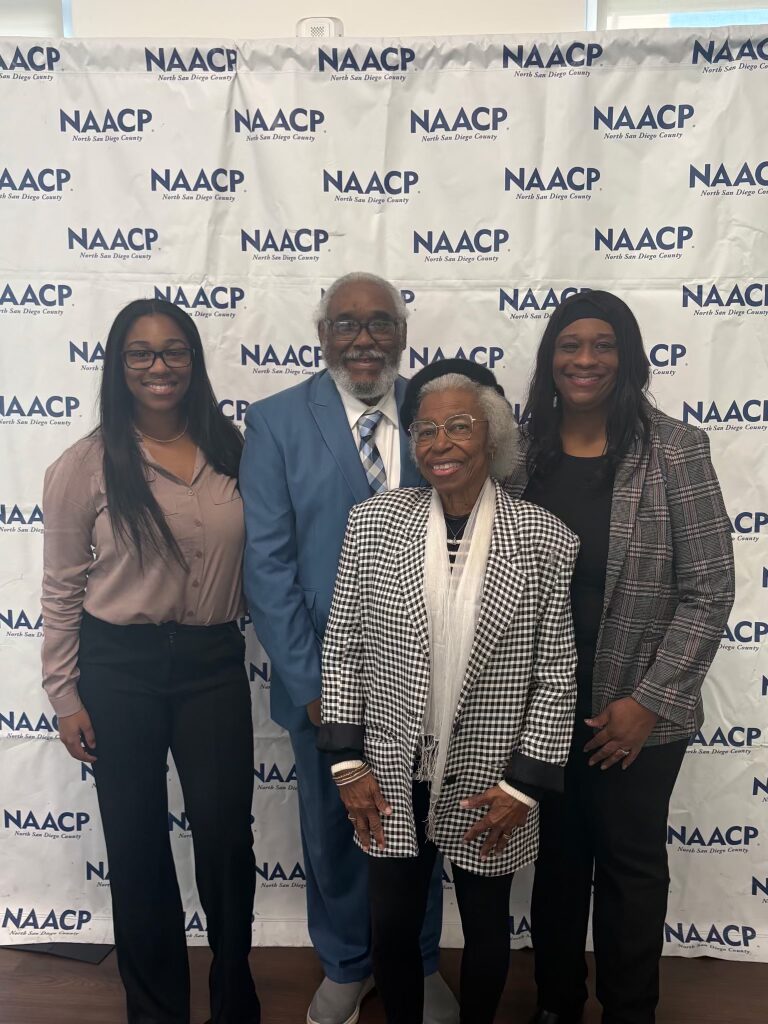
In 1961, Dr. Geraldine and eight other students—the Tougaloo Nine—were arrested and jailed for peacefully reading books in a whites-only public library in Jackson, Mississippi, an act of courage that helped desegregate libraries across our nation. She is also the author of Back to Mississippi and March Memories, and though she now travels less, she continues to speak across diverse communities about literacy, access, and justice. During our conversation, she turned to my daughter, Tiani Palmer, and said, “Even though you’re young and people may not always want you to speak, speak up and share. You have something meaningful to say—and they will listen.”
The next time you open a book—to learn something new, explore history, escape into an unknown world, or advocate against books being removed from public spaces—remember the courage it took to make that access possible and what it cost Dr. Geraldine and the Tougaloo Nine.
And speaking of books, mark your calendars for the Latino Book & Family Festival at MiraCosta College on Saturday, April 25, happening alongside the annual MiraCosta STREAM Festival—two events that celebrate literacy, education, family, and community.
This Black History Month, let us honor care in all its forms: the nurse who provides it, the author who writes about it, and the activist who made it possible for us all to read and enjoy our libraries freely.