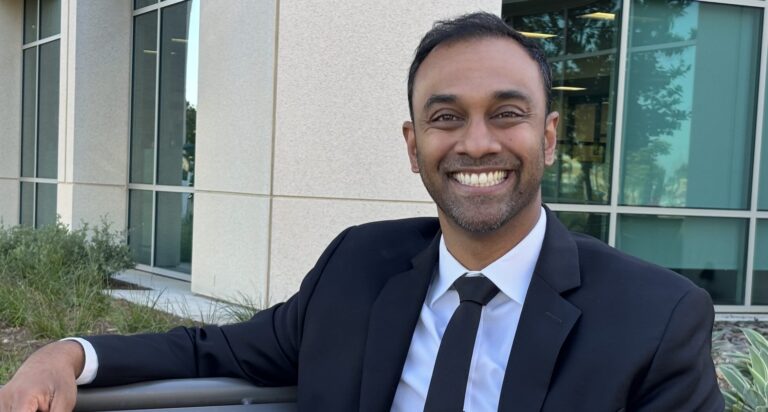


Julian Torres, with the County of San Diego, explains the changes to Medi-Cal. “The only change right now is with undocumented individuals,” he says. These changes became effective January 1, 2026. Undocumented individuals with Medi-Cal are “going to start receiving restricted services, meaning that they’re not going to be entitled to their full scope of services,” says Torres. What does it mean for undocumented individuals signing up for Medi-Cal in 2026? “It’s only going to be covering emergency services,” he explains. The good news is that any individual who applied for Medi-Cal before January 1, 2026, will still receive full-scope services. But it is essential that you keep your Medi-Cal information, re-enrollment, and any payments up do date, or you could lose your coverage. To get help, call 760-736-6734 (TrueCare).
By Selen Ozturk, American Community Media
Medi-Cal requirements have tightened this year through 2028 for many enrollees—particularly undocumented adults.
These new changes involve new work requirements, copayments, asset limits and renewal requirements, owing to budget cuts on the state level and new laws on the federal level—mainly H.R.1., or the “One Big Beautiful Bill Act.”
Medi-Cal, California’s version of Medicaid, is the largest Medicaid program in the nation, serving over one-third of the state, including around 1.6 million undocumented residents as of May 2025.
Changes for undocumented enrollees

For undocumented adults aged 19 and older, new enrollments for full-scope Medi-Cal—including routine medical, dental, vision, mental health and prescription care—froze starting January 1, 2026, under state law.
Those enrolled beforehand will not be affected, as long as they keep renewing coverage; children are also exempt, as are pregnant people through one year after their pregnancy ends.
Undocumented adults falling under the income limit will still be eligible for restricted Medi-Cal, “which covers emergency care and pregnancy-related care, which includes delivery at labor,” said Yingjia Huang, deputy director for health care benefits and eligibility at the Department of Health Care Services (DHCS), at a briefing on Medi-Cal changes hosted by American Community Media.
Starting July 1, 2026, routine dental coverage will also end for undocumented adults 19 and older, under state law.
Pregnant people and children are exempt from this change, while low-income undocumented adults will still be eligible for emergency dental coverage, including services for intense pain, infections and extractions.
As of July 1, 2027, undocumented adults aged 19 to 59 must pay a $30 monthly premium for full Medi-Cal coverage, under state law; pregnant people, children and adults 60 and over are exempt.
“For the monthly premium, we will be sending multiple notices ahead of time, and there will be a monthly invoice sent to the member as well, on an ongoing basis, to let them know the payment is due and where to remit the payment,” said Huang.
She added that there will be a 90-day grace period for missed payments, “so we allow individuals to stay on coverage for three months… If they do not make the payment after 90 days, we will be moving their scope of benefits from their current scope to emergency Medi-Cal.”
Beginning October 2028, under federal law, some adults on Medi-Cal with legal immigration status may additionally “need to pay a small fee for certain services like specialty care or certain tests,” said Tyler Sadwith, state Medicaid Director at DHCS.
“Core services like emergency care, regular primary care, checkups, prenatal care, pediatric care, mental health services and substance use treatment remain free and there is no copayment,” he continued.
New rules to maintain coverage
Starting January 1, 2027, under federal law, adults on full Medi-Cal between ages 19 and 64 will be required to work, volunteer, attend school or to participate in job training to keep their Medi Cal coverage.
Members have a few ways of documenting participation, Sadwith explained: “They can work 80 hours a month in a job; they can get paid at least $580 per month; they can be a seasonal worker who made an average of $580 per month over the last six months; … they can be in school at least half-time, which means taking a few classes each semester; or they can do a mix of volunteering, school work or job training for a total of at least 80 hours per month.”
Enrollees exempt from this requirement include youth aged 18 and younger; adults 65 and over; pregnant people through one year after the pregnancy ends; parents with children under age 14; people with disabilities; people with serious health or mental health conditions, including substance use disorder; people released from jail or prison within the last 90 days; American Indians and Alaska Natives; and foster youth under age 26.
Also beginning January 1, 2027, full Medi-Cal members between ages 19 and 64 who do not have dependent children younger than age 19 will need to renew their coverage twice a year instead of once a year.
“If this applies to you, Medi Cal will send you a letter … and advance notices 90 days before all upcoming changes,” said Sadwith.
Another major change is the return of asset limits—mainly for older adult members and those with disabilities.
Starting January 1, 2026, under federal law, “Medi-Cal will again begin looking at assets when we review your eligibility,” said Huang. “This does not apply to most children, parents, pregnant individuals or single adults, where eligibility is largely based on income.”
Assets considered by DHCS include “the amount of money you have in your bank accounts, your cash savings and anything above one home and one vehicle,” she explained. “Certain household goods and retirement accounts do not impact your Medi-Cal eligibility … and if you’re already a Medi-Cal member, assets will be reviewed at your renewal, which begins next year.”
The new asset test will be $130,000 for one person—still dramatically higher than the old limit of $2,000 per person. Each additional household member adds $65,000 to that new limit, for a maximum of 10 members per household.
What members should do
“The most practical message is to keep your contact information updated and your coverage on time,” said Huang.” I cannot emphasize enough that renewal will be extremely important, so that you’re retaining your current level of benefits.”
Members can update their mailing address, email and phone number with their county, on BenefitsCal.com or on CoveredCA.com, depending on how they apply for coverage.
“If you do miss a deadline, remember that you have three months to send in your missing paperwork and keep your coverage,” said Huang.