


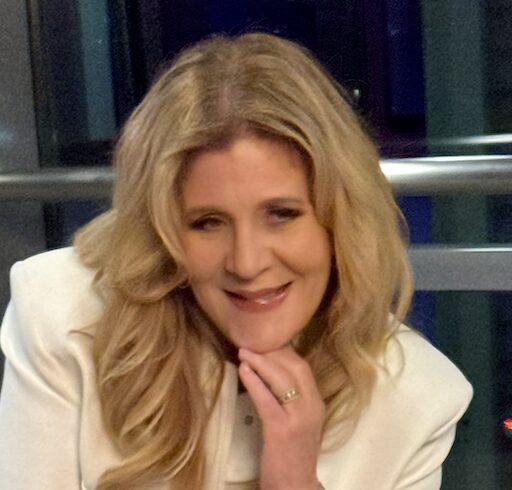
By Becky Krinsky, Life Coach
It may sound powerful, but the truth is, it makes us weaker: “I have to be able to handle everything.”
You may think of it as discipline. It masquerades as responsibility. It is applauded as strength. But deep down, it is often something else—a way to avoid needing anyone.
A mind that wants to control everything becomes rigid. And life—which is not rigid—ends up breaking. Because reality cannot be controlled; it must be lived.
The false strength of self-sufficiency
“I can do it.”
“I’ll solve it.”
“I don’t need anything.”
It sounds admirable…until you realize the cost.
When someone places themselves in that position, they stop seeing others as necessary. Without realizing it, they also become unapproachable. No one can get close to someone who needs nothing. Total self-sufficiency does not create connection; it creates distance.
What is lost when you try to take care of everything?
This is the part almost no one recognizes. It isn’t just exhaustion. It’s disconnection. Relationships become functional rather than deep. Conversations have no room for authenticity. Bonds are formed where one person gives… but is never truly seen.
A silent dynamic emerges: “I give so I’ll be needed.” It isn’t love. It’s control. Control never fosters closeness; it only breeds dependency or distance.
The toll of maintaining an image
Holding onto the idea that you can handle everything is exhausting because it isn’t real. And maintaining something unreal drains you. A person who refuses to let themselves fail also refuses to let themselves rest. Someone who won’t allow themselves to need anything won’t allow themselves to receive anything. Then, the silent collapse begins—the emotional fatigue, the constant anxiety, the frustration with everything and everyone.
Life does not cooperate with control. Life changes. It moves. It evolves.
A rigid mind lives in a state of constant conflict. You want everything to be the way it “should be” instead of working with what is. And this attitude is a guarantee of frustration—every time. Letting go of control doesn’t mean losing strength; it means not fighting the inevitable.
Unacknowledged Arrogance
When someone believes they can handle everything, they stop recognizing what others can contribute.
A dangerous blindness sets in: you fail to see the value in others, stop learning and growing, lose the ability to delegate crucial tasks, and reject collaboration because you believe it’s your way or the highway.
This blindness is not strength; it’s the trap of control that stifles your growth and condemns you to exhaustion and isolation. Sometimes you even feel envy, disguised as superiority. It’s easier to feel superior than to admit you’re lacking something.
Handling everything yourself is not strength; it is a defense mechanism—a way to avoid the discomfort of depending on others, asking for help, or admitting ignorance. Yet, true strength isn’t about handling it all; it’s about being able to say, “I can’t do this alone.”
How to Break This Cycle
You don’t break it by becoming irresponsible. You break it by letting go of arrogance and the need for control, recognizing that not everything rests on your shoulders, allowing others to contribute, learning to ask for help without feeling diminished, and accepting that not knowing is part of the process. You don’t have to do it all.
You don’t have to change who you are. You just need to stop automatically shutting others out. Rigidity reveals itself in a very simple way: you leave no space for others. You are always the one solving problems, offering opinions, correcting others, or taking control, not necessarily because you want to, but because it has become your habit.
Practical Tips
- In a conversation, avoid interrupting or correcting others.
- Ask a question before you respond.
- Let someone else solve a problem without interfering.
- If you don’t know something, simply say “I don’t know”—without feeling the need to justify yourself.
Opening up doesn’t make you less capable; it makes you more authentic. Letting go of control doesn’t diminish your value; it restores your ability to live in peace.