
By Melanie Slone
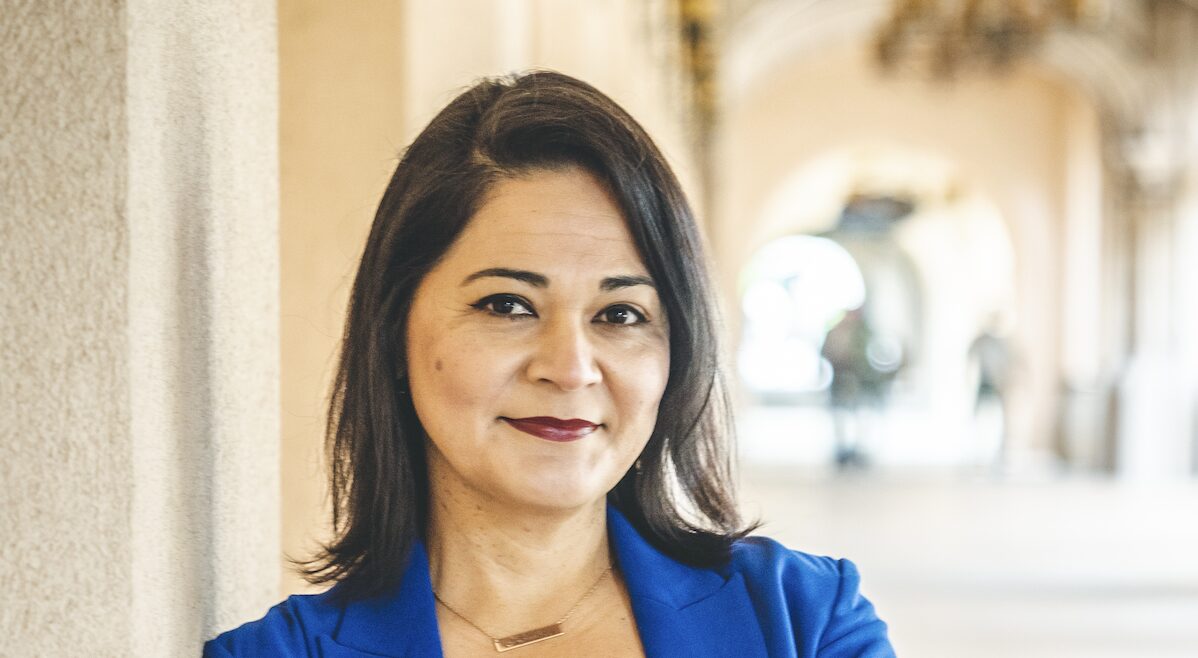
“I knew I wanted to be a lawyer when I was 12,” says Maricela Amezola. “But my guidance counselor in high school laughed at me when I said I wanted to go to law school.”
Born in Orange County to migrant workers, Amezola moved between California and Michoacan, Mexico. “I was part of the migrant student cohorts,” she says.
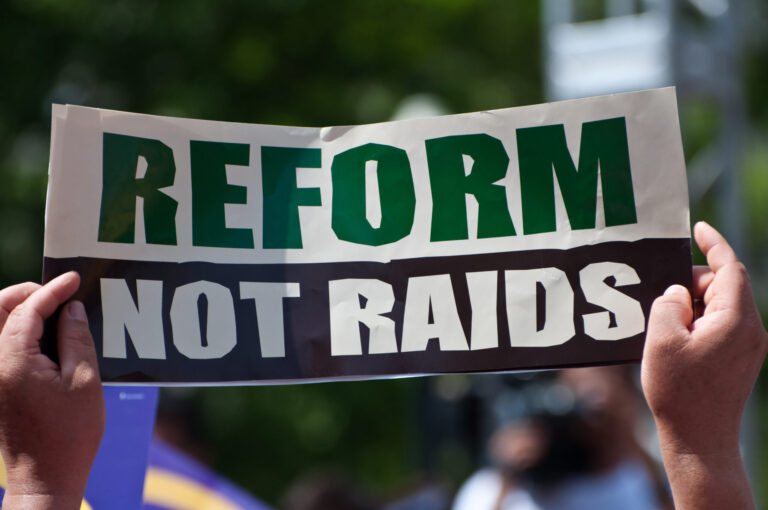
Eventually, her parents settled in a town north of Fresno. “Any given Friday, we would see these large green vans pick up people from all over the town,” she remembers. “I was seeing all these people running and not understanding what was happening.
She found out some ranchers called immigration so they wouldn’t have to pay their workers. “I remember feeling powerless.” She knew she had to be a lawyer someday.
The Long Road to Law School
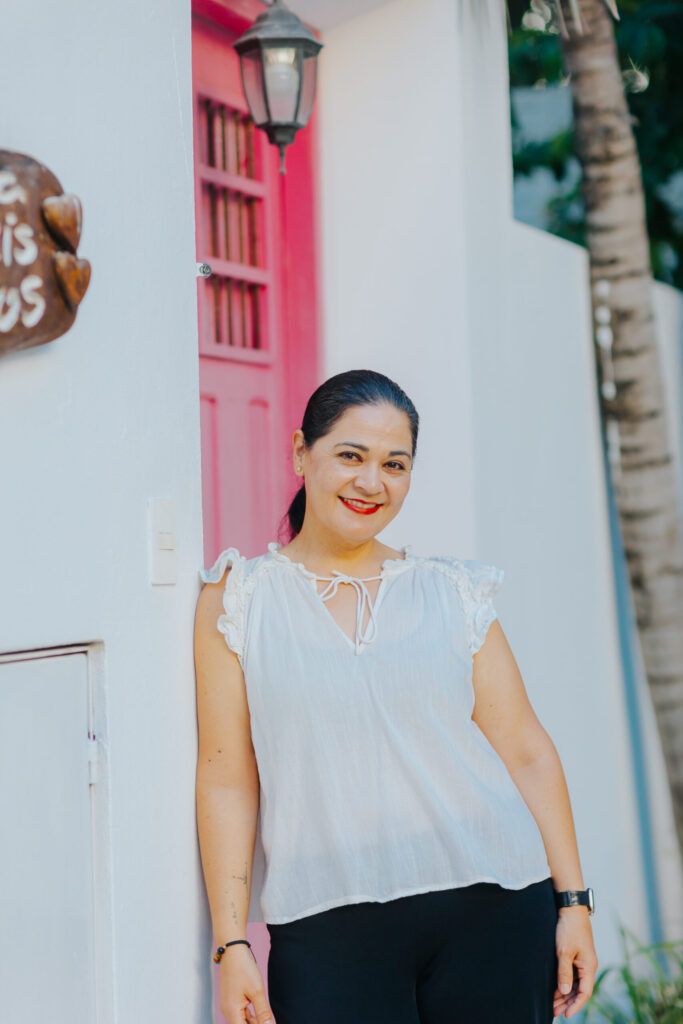
As a migrant student, Amezola was required to do regular English-language testing and was left out of classes she needed to get into certain universities. A teacher helped her get out of the program and get enough credits to be accepted at Fresno State.
As a first-generation college student, she had no mentors, but the College Assistance Migrant Program (CAMP) taught her about the LSAT, the test she had to take to get into law school. “I had to work summers, after school, before school, so I didn’t have time to do community service. I was trying to survive,” she remembers. “My application wasn’t very well-rounded.”
She was conditionally admitted to a law school in San Diego but didn’t pass the test. A professor told her, “You need to be a good writer to be a lawyer. You should do social services. We need a lot more people that speak Spanish in social services. Stay out of the law,” she says.
“That wasn’t the first time somebody told me not to do it. I just do not take ‘no’ for an answer.”
She enrolled in City College to improve her writing and started working in family law.
After taking the LSAT a few more times, she won a spot at Michigan State. “It was the best time of my life even though it was the first time I ever experienced discrimination and racism. I was taken out of my comfort zone,” she says. “I ended up graduating with honors.”
The Call of Immigration Law
Amezola’s dream was to be a prosecutor. When she passed the California Bar Exam, she took on a clerkship at a family law firm. “I didn’t like family law, the divorces, the fighting.” But she had to pay back her student loans.
The firm opened an immigration wing in 2009. “I jumped on because I didn’t want to do family law.” She took on the case of a green card holder in the detention facility in Otay. “I got some guidance from other lawyers, we went to trial, and we won,” she says.
“I remember coming out, the family was hugging me. And that wasn’t a feeling I would normally get in family law. This was a different feeling.”
Eventually she opened her own law firm, focused on divorce cases and a few detention cases in immigration. As she started winning, her clients would refer her to others. “My immigration business took off because I was one of the very few lawyers who spoke Spanish, one of very few lawyers that came from an immigrant family.”
Working with Clients
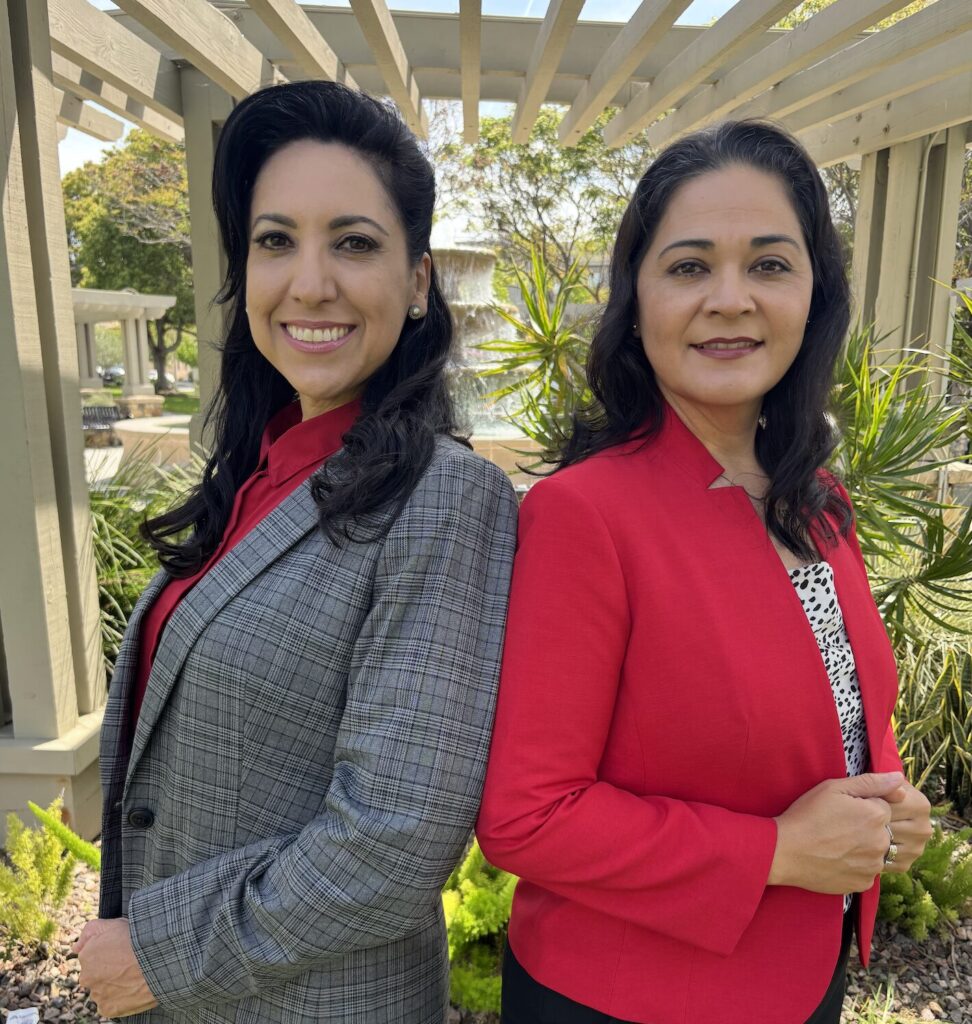
“My parents were victims of notario fraud,” she says, as was her husband. “I saw violations, discrimination, racism.”
She remembers the days of her parents’ struggles. “I could see the disconnect between lawyers and clients.” She became determined that, “My clients would understand exactly what was happening in their case; communication was crucial for me.”
Her practice was launched during the Obama administration. “He was the deporter-in-chief…, but it felt cordial. Ethics were a thing. In the first Trump administration, they started putting stops on a lot of things.”
In the first Trump years, she began dedicating her free time to giving know-your-rights presentations and working pro bono with nonprofits, including a group founded by Dr. Arcela Nuñez in San Marcos. “They would put these workshops together to get people to become citizens. I volunteered my time to review applications.”
When Nuñez formed Universidad Popular, Amezola organized workshops where she reviewed immigration cases. “For me that was part of giving back to my community. It has never felt like a burden.”
Get Proactive
Under the second Trump Administration, there are many “violations of rights,” she says. “It feels like everything is at threat, even your green card.”
Today, with Universidad Popular, she is doing what she calls “extreme vetting.” She encourages everyone to go over their cases and become citizens if eligible. She also urges citizens to vote. “Voting does make a difference, as we witnessed in the last election.”
Individuals should protect themselves. “They are treating everyone as a criminal regardless of how you came in at this point,” she says. “If you are a green card holder, talk to a lawyer about becoming a citizen. If you are not a green card holder, talk to an attorney to see what your options are to remain in this country, if any.”
From Burnout to Passion Projects
“Nobody teaches you what burnout feels or looks like,” says Amezola, “so, we just kept going.” Burnout symptoms led her to mindfulness and meditations.
To help people in her profession face burnout, she got certified in mindfulness for lawyers. “Next thing I know I’m doing mindfulness retreats for lawyers; a lot of us are trying to quit because of how burned out we are.”
She says how she reacts to the world around her helps her have a better practice. Today she refers many humanitarian cases to colleagues and sets boundaries with her clients. “My clients are still able to communicate with me, but now I’m leveraging technology to allow us to better communicate.”
She is also considering pivoting to estate planning for older migrants who want to protect their assets and run their businesses in the United States. “A lot of our community doesn’t even understand what a trust is and how it protects their wealth that they’ve earned here after all these years.”
Maricela Amezola continues to serve her community, living that 12-year-old migrant girl’s dream—leaving powerlessness behind and making a difference.
Contact Maricela Amezola: (619) 255-7310; maricela@amezolalg.com