

By Melanie Slone
Every 10 minutes a women or girl is killed by violence perpetrated by family member or someone close to them.
The situation is even more dire for migrant and immigrant women and girls, who are prone to sexual violence and need language and cultural guidance and special protections against exploitation and deportation.
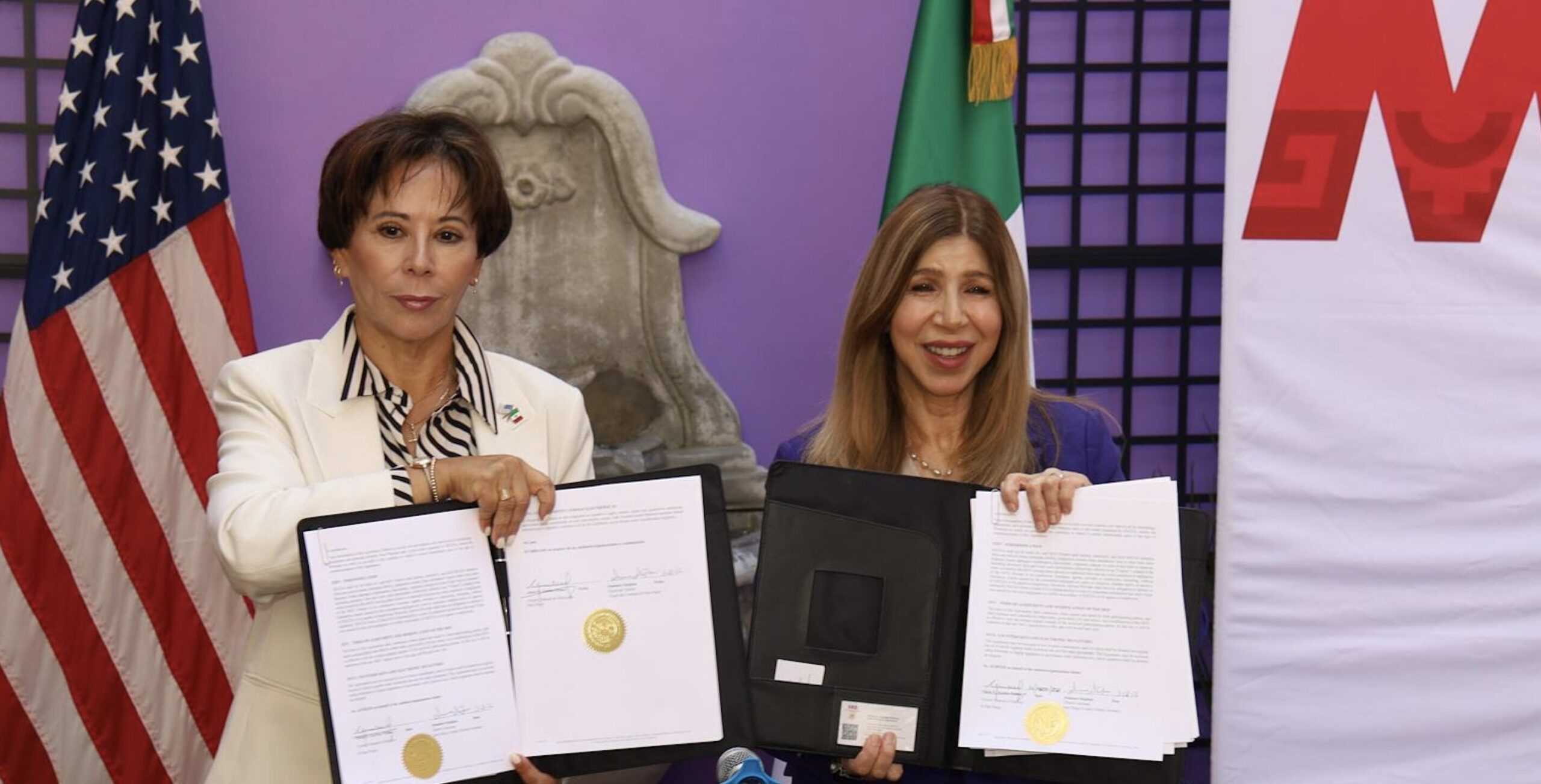
The UC San Diego Center for US–Mexico Studies held a forum on protecting migrant and immigrant women, where government and community leaders shared the coordinated policy.
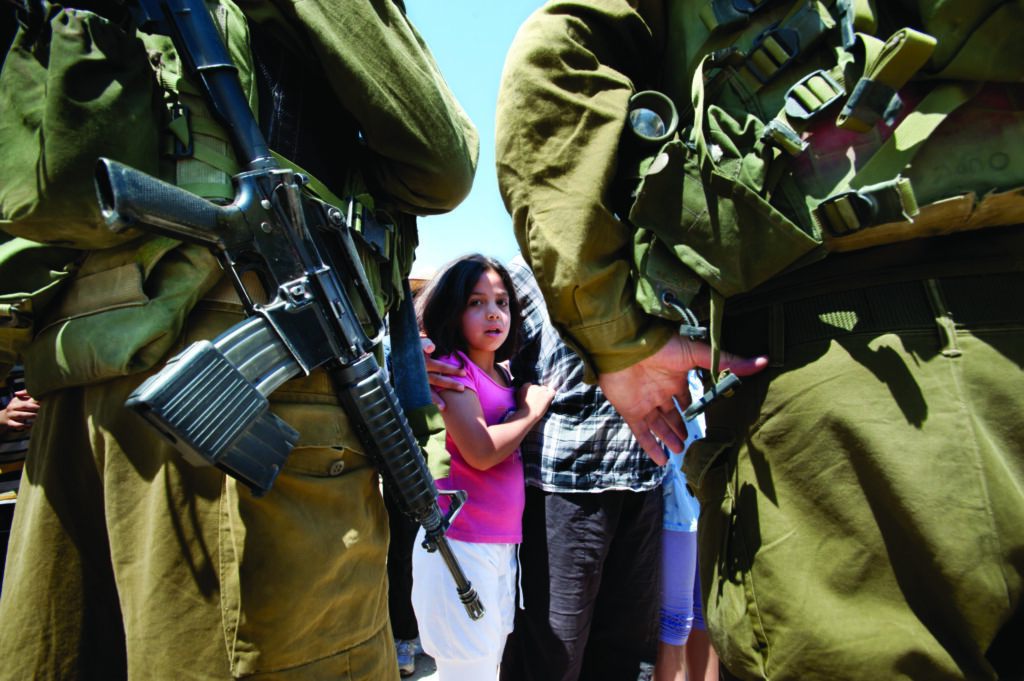
As immigrants, women are often escaping dangerous environments in their home countries, whether from domestic or third-party violence. They may be trafficked. Undocumented women in the United States often face domestic violence.
To support these women, One Safe Place and Your Safe Place Family Justice Centers are parties to a Memorandum of Understanding (MOU) among the San Diego District Attorney’s Office, the Baja California Justice Center, and the Mexican Consulate in San Diego.
Thanks to the MOU, Family Justice Centers have trained personnel to assist women and children on both sides of the border. “These protections have to be collaborative partnerships in both nations,” said Summer Stephan, San Diego County District Attorney.
The Mexican government has devised intercultural legal and social policies toward curbing domestic and institutional violence and human trafficking. Translation is available in Spanish and many indigenous languages.
The Mexican Consulate in San Diego participates in the Comprehensive Care Policy for Women (VAIM), which has helped thousands of Mexican women since 2015. It was developed based on interviews with migrant women about their needs.
On the San Diego side, Family Justice Centers have assisted 13,000 unique victims, most of them women and children, over the past three years.
Many of the women who use these centers have an irregular migratory status and may be financially dependent on a partner. The biggest hurdles they face are a lack of knowledge about how things work on both sides of the border and a language barrier.
Family Justice Centers
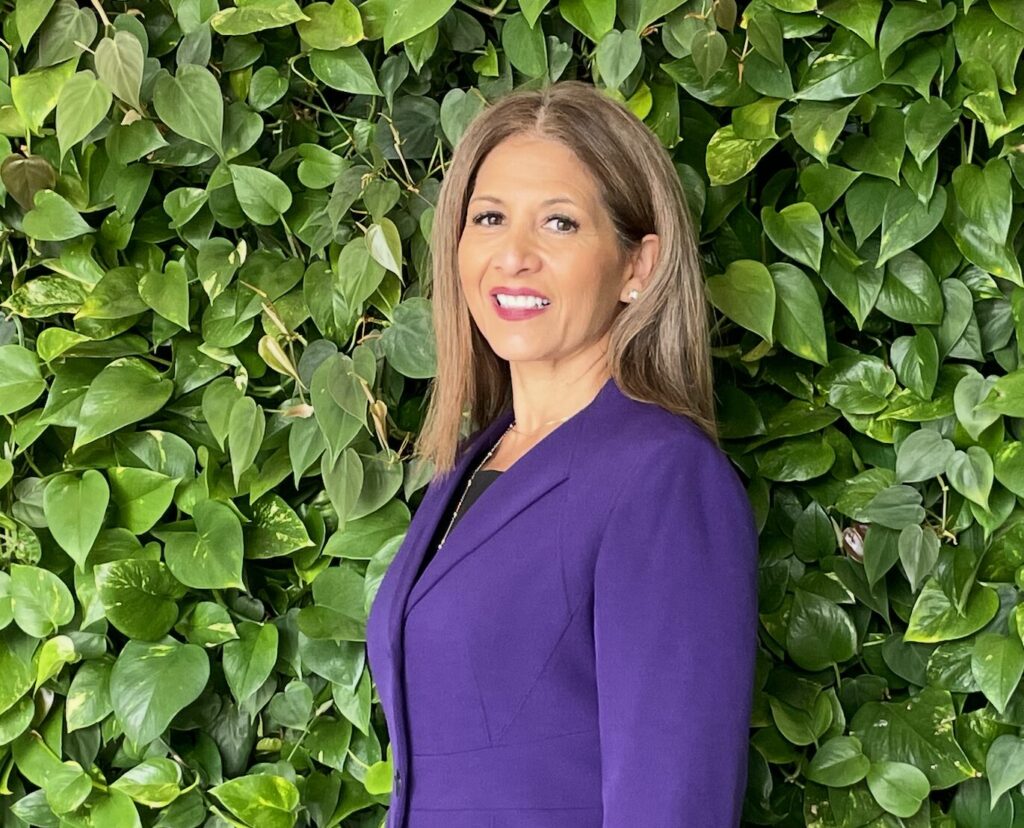
Violence knows no borders, but neither does justice, said DA Stephan.
The Justice Centers are a one-stop-shop, providing everything from medical, food, and clothing services to childcare, psychatric evaluations, trauma exams, and even a space where women can attend court virtually. “Family court services allow people to appear in court from here so that they don’t have to walk into that courthouse or potentially risk intimidation or arrest,” said Diane Doherty, the executive director of Your Safe Place Family Justice Center.
All services provided are confidential. “We serve people regardless of their immigration status, their age, their gender, their sexual orientation, their income,” said Doherty.
Many women are afraid their partner will take their children away through the system or take them to Mexico. The Justice Centers explain their rights and protect them and their children from the abusers, from prison, and from being turned over to immigration enforcement.
Immigration Status
In today’s political climate, the number of reports from women victims of domestic violence has dropped 40%, meaning women may be living with their abuser out of fear, including the fear of being deported, said the VAIM. “Their migration status clearly makes people more vulnerable,” noted DA Stephan.
Said the DA, “We do not track their documentation status. They don’t have to give identification… for their own protection and to follow California laws that do not allow us to ask for proof of identity in these cases.”
Many victims do not know how the criminal and child protection services work in the United States. “When there is a fear of being deported, abusers can use it for their benefit to make sure the victim doesn’t cooperate with law enforcement, doesn’t report, doesn’t cooperate with the judicial systems or the subpoenas issued,” said DA Stephan.
Doherty explained, “We’re trying to allow people to feel safe, to understand their rights and not be revictimized by the system.”
Immigrants who visit the Family Justice Centers are helped in their own language.
Victims of domestic abuse or trafficking may qualify for a U Visa or T Visa or fall under the Violence Against Women Act (VAWA).
North County One Safe Place Family Justice Center
1050 Los Vallecitos Blvd., San Marcos
888-440-4673


