
By Melanie Slone
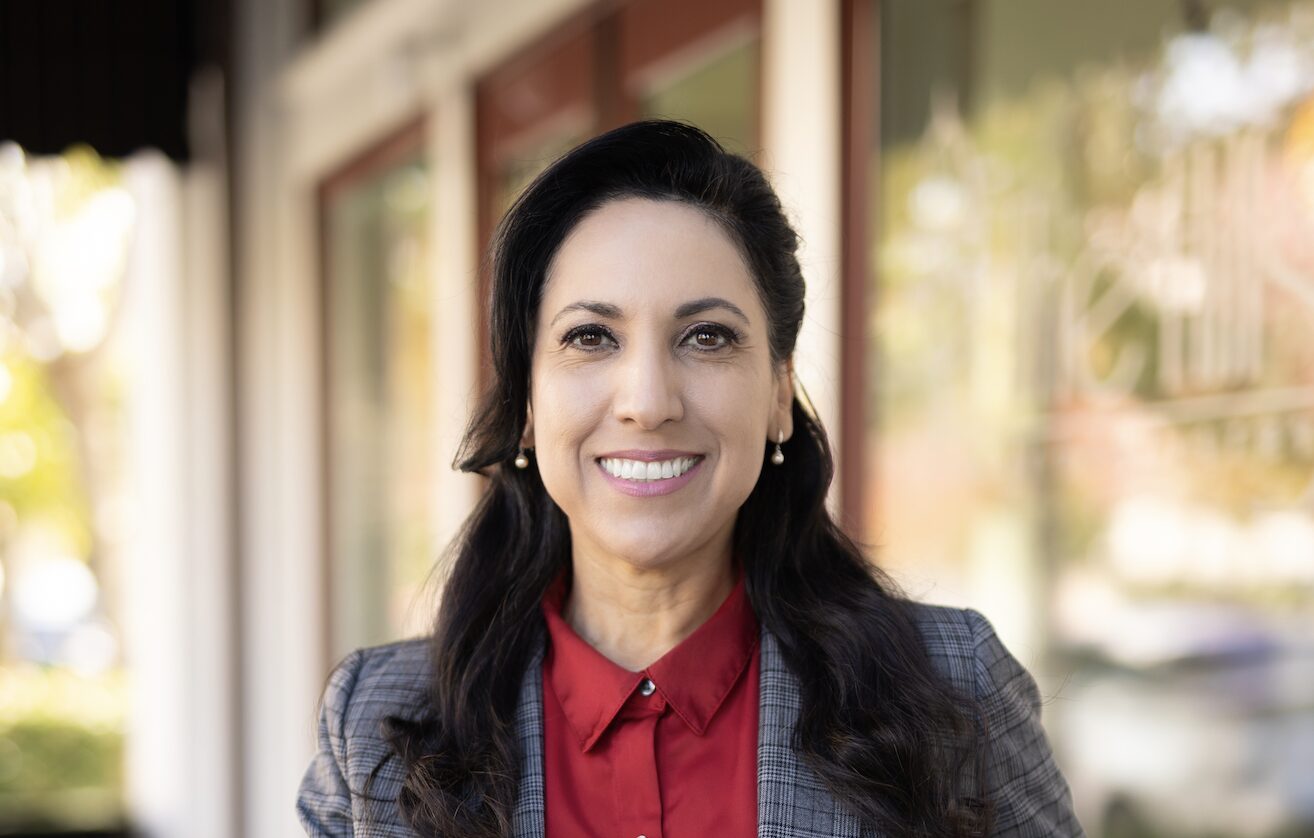
“Why don’t you study something else? You’ll never pass.” Geraldine Von Borstel heard these words from everyone after she failed the California Bar Exam.
Having grown up amid domestic violence, she knew she had to help immigrant women facing similar circumstances—and she refused to give up. Today, she offers free consultations and fights for the rights of immigrant women in her community.
Making Lemonade
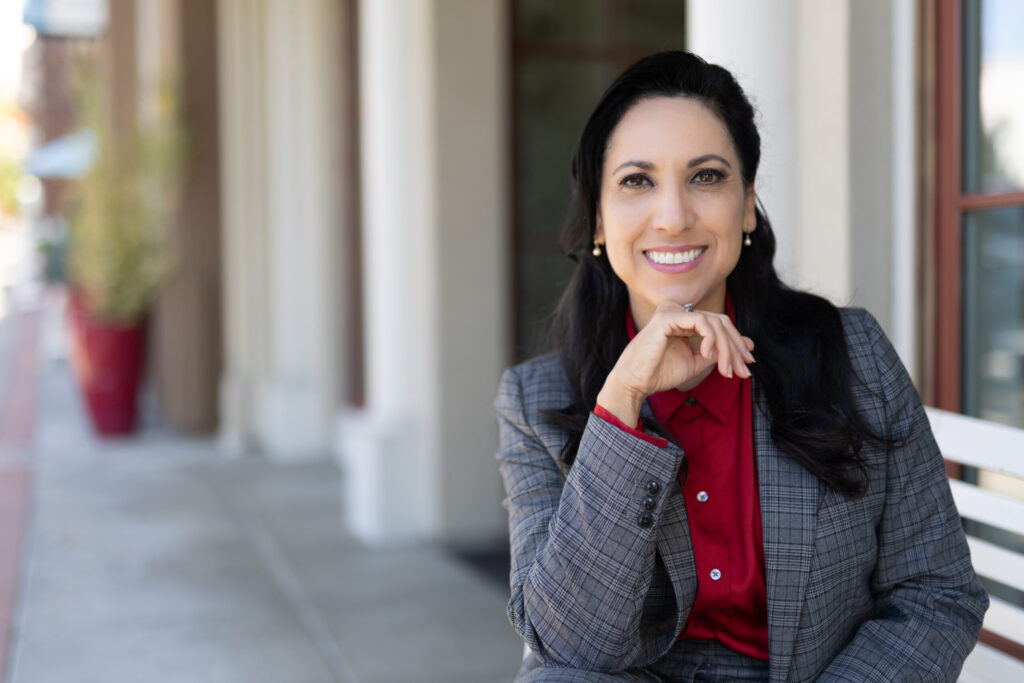
Attorney Von Borstel was born in La Paz, Mexico, where she also studied law. After graduating, she moved to California with her mother, a U.S. citizen.
Despite holding citizenship, Geraldine felt like many immigrants do—with only about $100 in her bank account and limited English skills.
But the most formidable barrier she faced was related to her career. “I researched how I could practice law in the United States, and that marked the beginning of a very long journey with many obstacles, stumbling blocks, things to overcome.”
To validate her law degree in California, she looked for courses for foreign-trained lawyers that would help her pass the Bar Exam, but they came with a very high price tag. “When life gives you lemons, make lemonade,” she says.
She studied English while working as a cashier at a bakery near her home since she did not own a car. She did everything she could to prepare, working at a law firm that handled family law and business cases, in addition to immigration cases.
When she was finally able to sit for the exam, she did not pass. She realized she was exhibiting symptoms of attention deficit disorder. “One of the problems I had with the Bar Exam was that I kept running out of time,” she recalls.
“Fortunately, in United States if you have a disability that substantially impacts your daily life, you have access to accommodations,” she explains.
To take the exam with these accommodations, she had to undergo a professional psychological evaluation. Finally, a psychologist in San Diego agreed to administer the tests, which determined that she had both attention deficit disorder and dyslexia.
This experience affected her emotionally. “It was frustrating, given how many years it took,” she says. “It takes a toll on your self-esteem.”
Ultimately, she was able to create a study plan tailored to her disability. She passed the Bar Exam on her first attempt.
Women in the Legal World
Attorney Von Borstel tells us that women face unique obstacles. “For a man, having children has never been viewed as a professional barrier,” she says.
Employers assume a mother will arrive late or request frequent leave—”all the things that create roadblocks and ultimately prevent you from getting hired.”
She believes that while progress has been made regarding equal rights, the issue concerning children persists. “I have never once heard a male colleague in a professional meeting mention that he arrived late or couldn’t attend an event due to something related to his children. Yet, I hear it all the time from mothers.”
Violence and Immigration
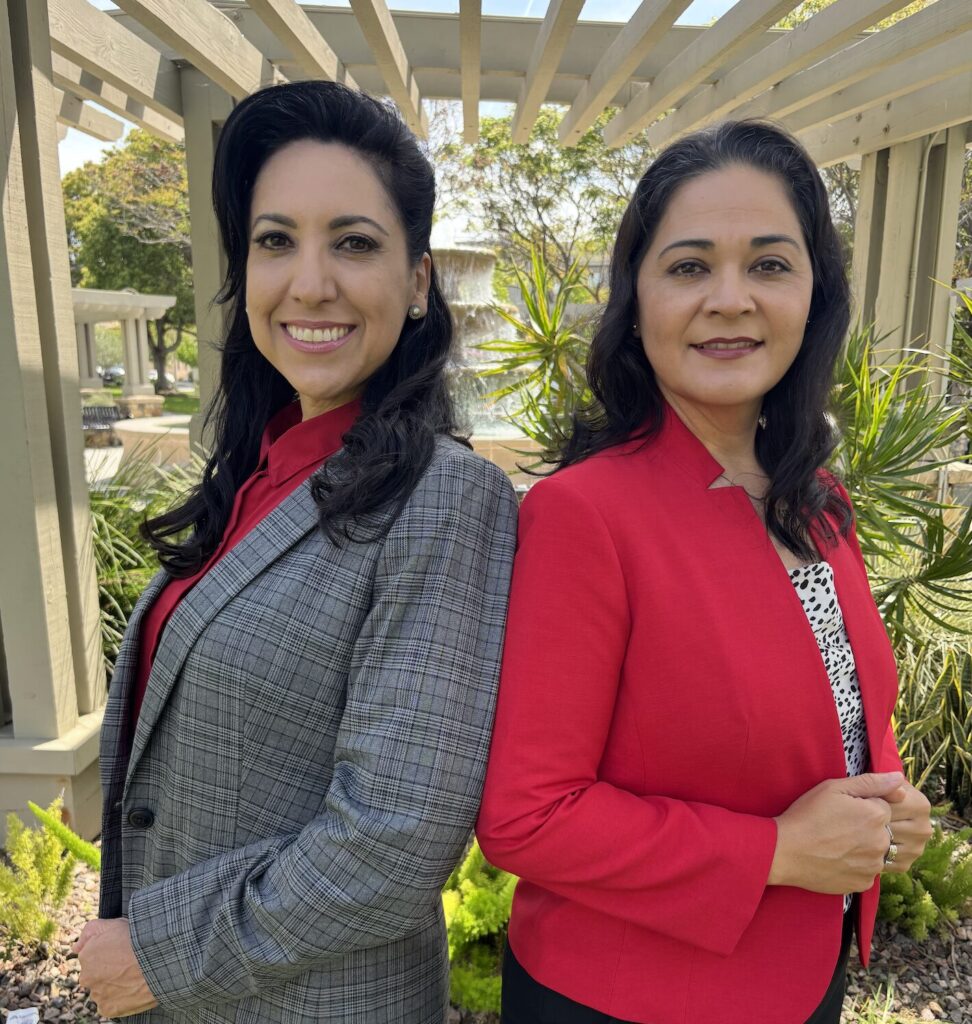
As an attorney in San Diego, she drew on her own experience. “Within the field of immigration law, I chose to focus on domestic violence because I myself suffered it at home in Mexico,” she recalls. “That was the reason we came to the United States.”
This experience is central to her work today. “It gives me a sense of empathy and understanding since I’ve taken therapy to heal from those scars. It has helped me develop professionally—not only to recognize when a person is in a violent situation, but also to possess the ability to approach them in a way that encourages them to open their hearts and share their story with me; that’s what gives me the tools I need to assist them legally.”
Women often lack financial resources. They may be dependent on their husbands to cover immigration fees.
There is also a lack of awareness regarding available resources. “Ninety-eight percent of the people I speak with need assistance with food, housing, or transportation,” she notes. To help them, she engages with numerous community groups and resource organizations. “The truth is, many people don’t even know that food banks exist,” she says.
“I just learned about an organization that supports women entrepreneurs—whether you’re selling tamales from your home or you’re a professional woman, they provide training and tools and teach you how to run a business. They also offer loans,” she says. It’s simply a matter of knowing where to look for assistance.
Every Case Is Unique
“We’re living in unprecedented times,” says Von Borstel. “In legal consultations, I tell people it’s likely some of the information I’m giving them today might no longer apply a week from now.” Changes within the system are occurring very rapidly. “However,” she explains, “we’re still processing immigration applications; we’re still securing approvals.”
She encourages people to get legal assistance with immigration matters. “Now more than ever, it’s crucial to consult with an attorney—to view it as an investment, not an expense,” she explains. “There are certain areas where you should never look for a discount or go with the cheapest option.”
Every case is unique. “You need to have a consultation to assess your specific situation,” she says.
She warns against scams and misinformation. “Not only are notarios not attorneys, but any errors they make—errors that might have been overlooked in the past—are now being scrutinized under a microscope,” she notes.
“We’re seeing a lot of misinformation on social media,” she warns. One of her clients saw something on TikTok and believed he had to return to Mexico. Von Borstel explained that his case qualified under the latest amnesty program. “We devised a strategy, and his residency application is currently being processed,” she says. Just imagine what would have happened if he had listened to that TikTok video.
She believes attorneys should be accessible through community events, legal clinics, and pro bono work. “I feel that, right now, the community is in dire need of seeing us—as attorneys—in person. There is so much misinformation, so much anxiety, and so much worry,” she says.
“It’s not as if we held a magic wand—that we can simply show up at an event and fix everything on the spot,” she explains, but being present within the community helps reassure people and protects them against fraud.
You can schedule a free consultation with Geraldine Von Borstel via WhatsApp at: 760-330-3435.