
By Beatriz Palmer, Community Reporter
“A people without the knowledge of their past history, origin, and culture is like a tree without roots,” said Marcus Garvey, a Jamaican-born civil rights leader. Juneteenth helps connect us with these roots.
Every June, people across the United States celebrate Juneteenth, commemorating June 19, 1865, the day enslaved Black people in Galveston, Texas finally learned they were free, more than two years after the Emancipation Proclamation. Juneteenth reminds us that freedom delayed is still freedom denied and invites us to tell a fuller story about the United States.
My first memory of Juneteenth was in high school, around 1990. I remember going to the Oceanside Beach and seeing a large celebration where I felt a sense of belonging. The music, the community, the food, and the joy felt familiar to me. I didn’t fully grow up understanding my “tercera raíz,” my Black heritage, but intuitively I knew something was there. I sensed there was a piece of my story our family didn’t fully know or didn’t openly talk about.
For many Latino families, Juneteenth may initially feel like “Black history,” but it can also become an opportunity to understand better our own roots, histories, and connections across the African diaspora.
After Spanish colonization, enslaved Africans were brought through the transatlantic slave trade into what became known as New Spain (now Mexico), helping shape the culture, labor, music, food, and traditions of Mexico and Latin America. This history is often referred to as “La Tercera Raíz,” or “The Third Root,” recognizing that Mexican identity was shaped not only by Indigenous and Spanish ancestry, but also by African ancestry.
Many countries throughout Latin America and the Caribbean, including Brazil, Cuba, Colombia, Panama, Peru, and the Dominican Republic, carry deep African roots reflected in their cultures. Yet conversations around African ancestry and colorism have often remained silenced within many Latino communities.
Juneteenth in North County
For decades, Juneteenth celebrations in Oceanside have served as spaces where communities across the African diaspora and across cultures gather to celebrate Black history, freedom, resilience, joy, music, food, and community. The Oceanside Juneteenth Celebration has been hosted by the North San Diego National Association for the Advancement of Colored People (NAACP) for more than 50 years, creating a longstanding tradition that brings families together from across San Diego and nearby regions.
The NAACP, founded in 1909 following the Springfield Race Riots in Illinois, is recognized as the oldest civil rights organization in the United States. It was established through collaboration between Black leaders, faith leaders, and white allies committed to advancing justice and civil rights.
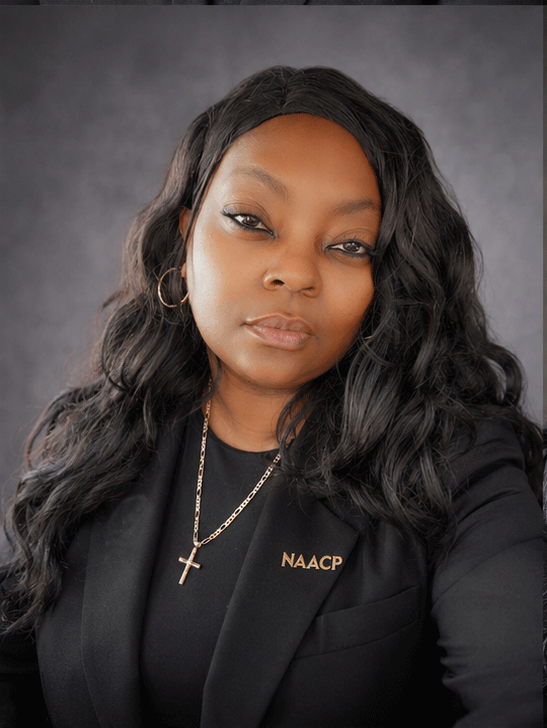
The North San Diego County NAACP president, Dr. Satia Austin, who has served in the NAACP since she was 17, is guided by Marcus Garvey’s quote as she reflects on the importance of building bridges across communities. The daughter of a Black Panther, Dr. Austin is widely known as a community advocate committed to bridging divides through education, dialogue, and civic engagement. She also serves the NAACP at the state and national levels.
One of Dr. Austin’s goals is to ensure communities feel seen, celebrated, and connected while also creating opportunities for Black, Latino, Indigenous, and other communities to understand one another’s histories and shared struggles.
The North County African American Women’s Association (NCAAWA) was founded nearly 30 years ago as a mentoring initiative supporting women and girls through education, leadership development, health awareness, and life skills programming. Over the years, the organization has grown into an intergenerational network focused on mentorship, scholarships, wellness, and community engagement.
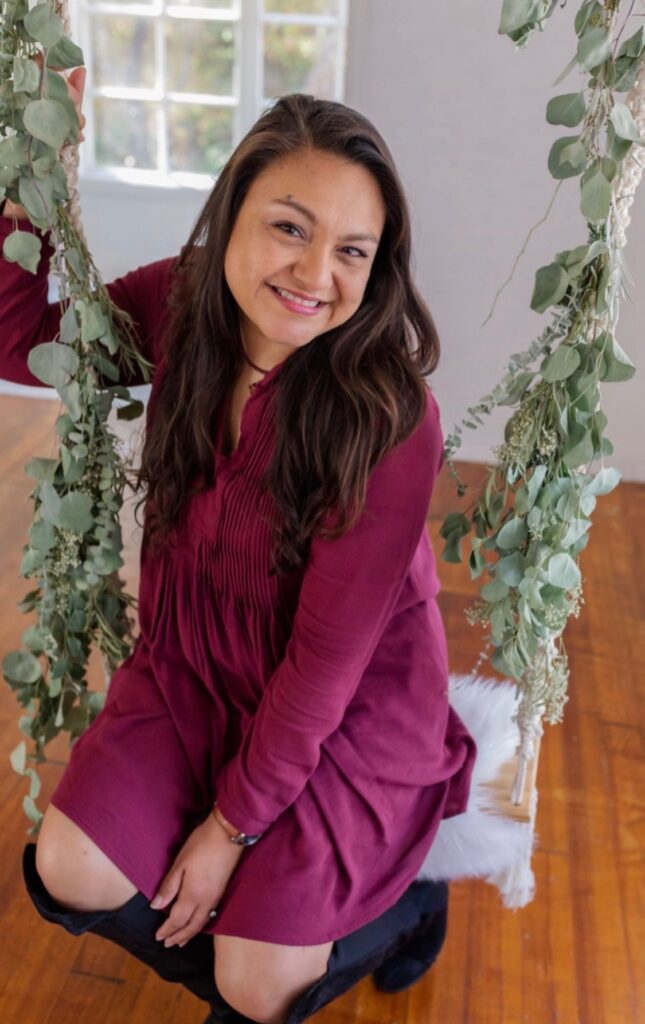
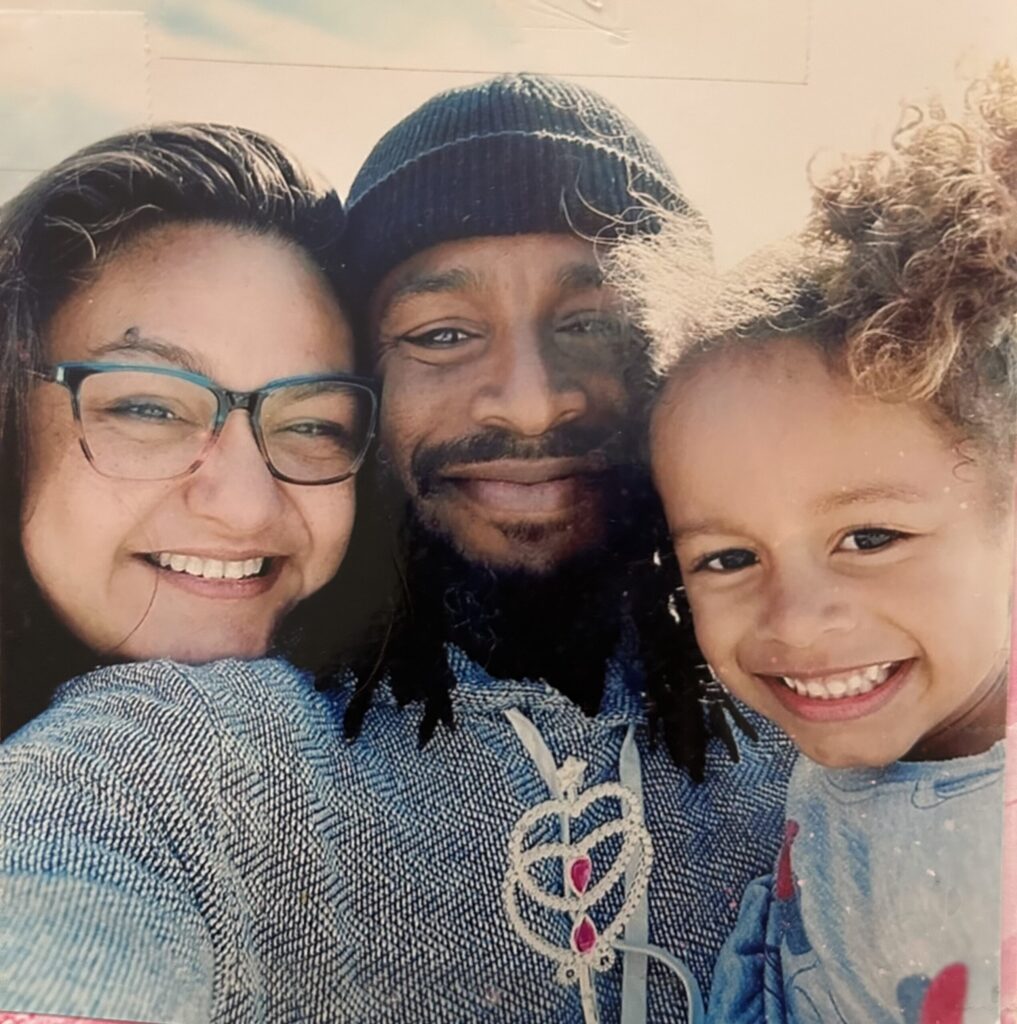
Debbie King, an Oceanside resident who grew up in Deep Valley, the wife of Isaiah King and mother to a 6-year-old daughter Zaya, a mentor, and a member of the NCAAWA, shares that she did not fully learn about Juneteenth until her twenties.
“Organizations like the North County African American Women’s Association helped shape my understanding of Black history, leadership, and empowerment,” King says. “Now I carry those conversations into my own home, so my daughter grows up with knowledge, confidence, and a deeper understanding of herself.”
She remembers growing up in diverse neighborhoods where Black, Mexican, Samoan, and other families lived side by side. Despite struggles with gangs and poverty, there was a strong sense of community and belonging. She credits relationships through her church, community, and organizations like the NCAAWA as part of what encouraged her to pursue higher education and continue growing as a leader and professional.
As a first-generation college graduate with a master’s degree, Debbie reflects on how important it was to have people around her who reminded her that she belonged in spaces of education and leadership. Now, as a parent raising a daughter who is both Black and Mexican, these conversations feel even more meaningful. One of the intentional ways she parents her daughter is by focusing less on physical appearance and more on affirming the essence of who her daughter is as a person, she shares.
“There may come a time when people make comments about her curls or touch her hair without understanding the impact it will have on her,” Debbie shared. “But even now, I try to affirm the essence of who she is, her joy, her confidence, her kindness, her light.”
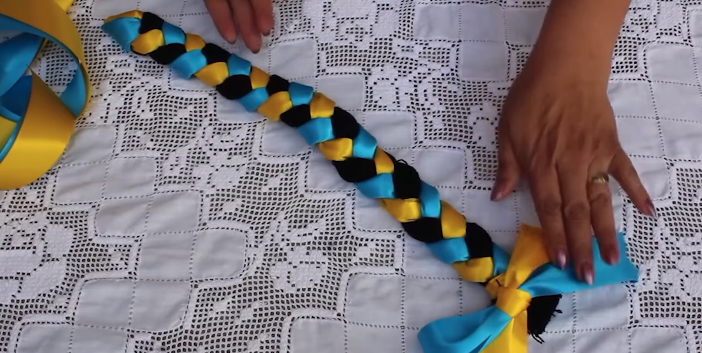
She also emphasizes the importance of teaching her daughter the histories connected to both sides of her identity. “I want her to know where her ancestors come from and understand the histories connected to her identity because schools may not teach her the full story,” King says. “I want her to feel proud and rooted in every part of who she is.”
For many parents raising biracial and multiracial children, conversations around race, identity, beauty, and belonging are very real. Laws such as the CROWN Act now protect people from discrimination based on natural Black hairstyles and textured hair.
Juneteenth is not only about remembering the past. It is also about honoring survival, telling fuller truths, and creating spaces where communities can learn from one another with dignity and humanity.
Juneteenth helps remind us that our histories, much like a braid with ribbons, have always been beautifully woven together.